


Couples Therapy in Toronto to Rebuild Trust and Connection
When conversations keep ending in arguments, emotional distance grows, or trust has been broken, it can be difficult to know what to do next.
Our relationship specialists support couples with communication problems, anxiety within the relationship, intimacy concerns, and recovery after infidelity. We use approaches including Emotionally Focused Therapy and the Gottman Method, with treatment shaped around your relationship and goals.

Starting at $100
Covered by Insurance
Our services are covered by most
extended insurance plans
Couples Therapy in Toronto – How Can We Assist?
Your relationship is one of the most important parts of your life, and it deserves expert support. At Ellis Nicolson + Associates, couples therapy is one of our core specialties. We help couples across Toronto improve communication, rebuild trust, strengthen emotional connection, and navigate life’s challenges using evidence-based approaches, including Emotionally Focused Therapy (EFT) and the Gottman Method.
Whether you’re experiencing recurring arguments, emotional distance, intimacy concerns, or recovering from a betrayal, our relationship specialists provide a supportive space to help you reconnect and move forward together.
Get Support
- In-person in Toronto + virtual therapy across Ontario
- 50-minute sessions
- Evidence-informed therapy: EFT (Emotionally Focused Therapy)
- Gottman Method
- CBT for couples
- Attachment-based therapy
- Somatic / nervous system regulation
We Can Help With:
- Communication breakdowns
- Frequent arguments / conflict cycles
- Emotional distance or disconnection
- Trust issues / rebuilding after betrayal
- Infidelity recovery
- Intimacy and sex concerns
- Parenting disagreements
- Life transitions (moving, kids, stress)
- One partner pursuing / one withdrawing
Why Choose Ellis Nicolson + Associates for Couples Therapy in Toronto?
If you had a heart condition, you would seek a cardiologist rather than a general practitioner. The same principle applies to your relationship.
Many therapists work primarily with individuals and occasionally see couples. At Ellis Nicolson + Associates, relationship therapy is one of our specialized areas of focus. Our clinicians have advanced training in evidence-based approaches specifically designed for couples.
We specialize in Emotionally Focused Therapy (EFT), one of the most researched and effective approaches for helping couples create lasting change. Research consistently demonstrates that EFT helps couples move from conflict and disconnection toward greater trust, intimacy, and emotional security.
Rather than teaching surface-level communication techniques alone, we help couples understand and transform the underlying patterns that create relationship distress.
Our goal isn’t simply to help you argue less. Our goal is to help you build a stronger, more secure relationship.
What Is Couples Therapy?
Couples therapy provides a safe, structured environment where partners can better understand each other, improve communication, and break unhealthy relationship patterns.
Many couples find themselves stuck in repetitive cycles where one partner pursues while the other withdraws, conflicts escalate quickly, or emotional needs go unmet. Over time, these patterns can create resentment, loneliness, and distance.
Therapy helps you identify these patterns and replace them with healthier ways of connecting.
Instead of focusing on blame, we help you understand what is happening beneath the conflict and uncover the deeper emotional needs driving relationship challenges.
Through Therapy, You’ll Learn To:
- Communicate more effectively
- Reduce recurring arguments
- Understand your partner’s emotional needs
- Recognize and interrupt negative cycles
- Regulate emotional reactions during conflict
- Rebuild trust and emotional safety
- Strengthen intimacy and connection
- Navigate challenges as a team
Our Approach
- We use evidence-based therapies including:
- Emotionally Focused Therapy (EFT)
- Gottman Method
- Cognitive Behavioural Therapy (CBT) for Couples
- Attachment-Based Therapy
- Somatic and Nervous System Regulation
When Should You Seek Couples Counselling?
Many people wait until their relationship is in crisis before reaching out for support. However, couples therapy can be beneficial at any stage of a relationship.
Some couples attend therapy proactively to strengthen their bond and prevent future challenges. Others seek support because they feel disconnected, are arguing frequently, or are struggling to recover from a painful event.
You may benefit from couples therapy if:
- Conversations frequently turn into arguments
- You feel emotionally distant from your partner
- Trust has been damaged
- Intimacy has declined
- Parenting disagreements create tension
- Major life changes are impacting your relationship
- You feel stuck in the same conflicts repeatedly
- You’re considering separation and need clarity
The earlier negative patterns are addressed, the easier they are to change. Even relationships that have struggled for years can experience meaningful healing and growth.
Couples Therapy for Relationships in Toronto
Living in a large city like Toronto can bring unique pressures to a relationship. Between demanding careers, long commutes, busy schedules, parenting responsibilities, and the constant pull of competing priorities, it’s easy for couples to find themselves feeling disconnected from one another.
No matter how strong a relationship may be, every couple experiences periods of stress, disconnection, and uncertainty. Over time, unresolved conflicts, communication breakdowns, and life transitions can create distance between partners and leave both people feeling misunderstood or alone.
Many couples come to therapy because they feel stuck in the same arguments, struggle to communicate effectively, or notice that the closeness they once shared has faded. Others seek support after a significant relationship injury, such as a betrayal of trust, or during major life changes that place additional strain on the relationship.
At Ellis Nicolson + Associates, we help couples identify the patterns that keep them disconnected and create new ways of relating that foster trust, understanding, and emotional security. Rather than focusing on blame, we help partners understand the cycle they become trapped in and learn how to reconnect with one another in healthier, more meaningful ways.
We commonly help couples navigate:
- Communication difficulties and recurring conflict
- Emotional distance and disconnection
- Trust concerns and affair recovery
- Parenting and co-parenting challenges
- Intimacy and relationship satisfaction concerns
- Differences in needs, expectations, or attachment styles
- Anxiety, stress, and their impact on relationships
- Major life transitions and relationship changes
Whether you’re feeling disconnected, overwhelmed by the demands of daily life, or simply want to strengthen your relationship, couples therapy can help you build a deeper, more secure, and more fulfilling connection.
Disclosure and the Loss of Emotional Safety
After an affair becomes known, uncertainty about what happened can make it difficult to regain a sense of stability. Disclosure conversations need honesty, but they also need care. A therapist can help you identify the information needed for informed decisions and pace conversations that would otherwise become overwhelming.
Before discussing sensitive information in individual or joint sessions, ask your therapist to explain confidentiality and how they handle secrets in couples work. Understanding these policies from the outset helps both partners make informed choices about participation.
Some people experience intrusive thoughts, disrupted sleep, intense distress, or heightened vigilance after betrayal. These reactions deserve attention without assuming a diagnosis. Our guide to betrayal trauma after infidelity explores this experience in more detail.
Responding to Triggers After an Affair
A notification, an unexplained delay, or a familiar location may bring back fear or anger. The partner who had the affair may see a routine event; the betrayed partner may experience it as a reminder of deception.
In therapy, couples can explore these moments and discuss responses that support accountability and reduce escalation. For example, a change of plans may need a clear explanation and follow-through rather than an instruction to “stop worrying.” Understanding relationship triggers in couples can help you recognise what is happening before the conversation becomes another argument.
What Rebuilding Trust Can Involve
Trust grows through repeated behaviour that matches what has been promised. Depending on your circumstances, repair may involve ending the outside relationship, agreeing on appropriate boundaries, answering relevant questions honestly, and following through on commitments.
Any transparency agreements should be discussed openly, be proportionate, and be reviewed as circumstances change. They should not become permission for coercion or indefinite control. The hurt partner also needs room to decide what feels acceptable and whether continuing the relationship is right for them.
Our guide to how to rebuild trust after infidelity offers further context. Therapy can support this process, but it cannot promise forgiveness or a particular relationship outcome.
What Is Emotionally Focused Therapy (EFT)?
Emotionally Focused Therapy was developed by Canadian psychologist Dr. Sue Johnson and is one of the most effective approaches available for couples therapy.
EFT is based on attachment science, which shows that human beings are wired for emotional connection and secure relationships.
When couples become stuck in cycles of conflict or withdrawal, the underlying issue is often not the argument itself. More often, partners are struggling to feel emotionally safe, understood, and connected.
EFT helps couples:
- Identify their negative relationship cycle
- Understand underlying emotions and needs
- Express vulnerability safely
- Rebuild trust and emotional connection
- Create healthier patterns of interaction
Rather than teaching couples to simply manage conflict, EFT helps create a deeper bond that strengthens the relationship long-term.
How Long Does Couples Therapy Take?
Every relationship is unique.
Many couples begin noticing positive changes within the first several sessions. However, meaningful and lasting transformation typically takes time.
For couples participating in Emotionally Focused Therapy, a full course of treatment often ranges between 10 and 20 sessions.
Factors that influence the timeline include:
- Length of relationship difficulties
- Severity of conflict
- Presence of trauma
- Level of engagement from both partners
- Frequency of sessions
Some couples achieve their goals sooner, while others benefit from longer-term support.
What Can You Expect During Couples Therapy?
The first session focuses on understanding your relationship history, concerns, and goals.
We typically begin by meeting with both partners together. In many cases, we also schedule an individual session with each partner to better understand personal experiences, relationship history, and attachment patterns.
Throughout the process:
- Both partners are given space to be heard
- The therapist remains neutral
- We focus on patterns, not blame
- Sessions are collaborative and supportive
- Practical tools are introduced as needed
- Emotional safety is prioritized
Our role is to help you understand the relationship dynamics keeping you stuck and guide you toward healthier ways of connecting.
How to book your appointment/consultation?
Step 1
Book your first appointment or free virtual 15 minute consultation.

Step 2
Create a personal profile in our booking system to book your appointments.

Step 3
Prior to your first session, complete our emailed Consent/Intake Form.

Step 4
For virtual sessions, click the Zoom link; in-person, you’ll be greeted with a smile.
Wondering where to start?
These resources can help you better understand your relationship and decide what kind of support may be helpful.
- How to Emotionally Connect with Your Spouse
- How to Deal with Relationship Anxiety
- Anxiety vs. Intuition in a Relationship: How to Tell the Difference
- How to Recognize Anxious Attachment
Where in Toronto?
Toronto: 120 Carlton Street, Suite 315
We serve clients across Toronto and nearby communities, including Downtown Toronto, North York, Etobicoke, Scarborough, East York, Midtown Toronto, The Beaches, Leslieville, Liberty Village, Yorkville, and The Junction, as well as offering virtual therapy across Ontario.
What should I look for when choosing a therapist in Toronto?
Choosing a couples therapist in Toronto involves a few key considerations. Look for someone who has specific training in couples therapy, such as EFT or the Gottman Method, not just individual therapy. It’s important that both partners feel heard and respected, and that the therapist can remain neutral while helping you navigate difficult conversations.
You’ll also want a therapist who can clearly explain their approach, set expectations for the process, and offer practical tools you can use outside of sessions. We also offer a free consultation, where we can help match you with the therapist who feels like the best fit for your relationship.
Meet the Couples Counselling Toronto Team
Looking for top-rated marriage counsellors in Toronto?
Meet our team of relationship specialists, here to help you reconnect, communicate better, and strengthen your relationship.

Ellis Nicolson, M.DIV, RP, RMFT
Clinical Director, Owner
Psychotherapist; Marriage/Family Therapist
I am a Registered Psychotherapist with the College of Registered Psychotherapists of Ontario, and a Registered Marriage and Family Therapist-Clinical Member of the American Association for Marriage and Family Therapy and the Ontario Association for Marriage and Family Therapy.
-

I am a Registered Psychotherapist (Qualifying) with the CRPO. I am a mother, wife, sister, daughter, and friend, and I bring a rich lived experience to my role as therapist. From that experience, I know life can be challenging, with unexpected twists…
-
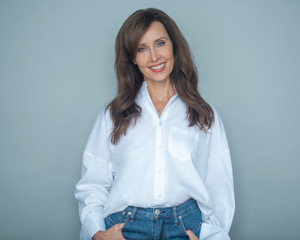
Sometimes life can be unpredictable, which may leave you feeling disconnected, emotionally overwhelmed, and drained. Whether you’re facing relationship challenges, stress, anxiety, or depression, I can help you navigate the journey to healing. My education and professional background, along with my experiences as…
-
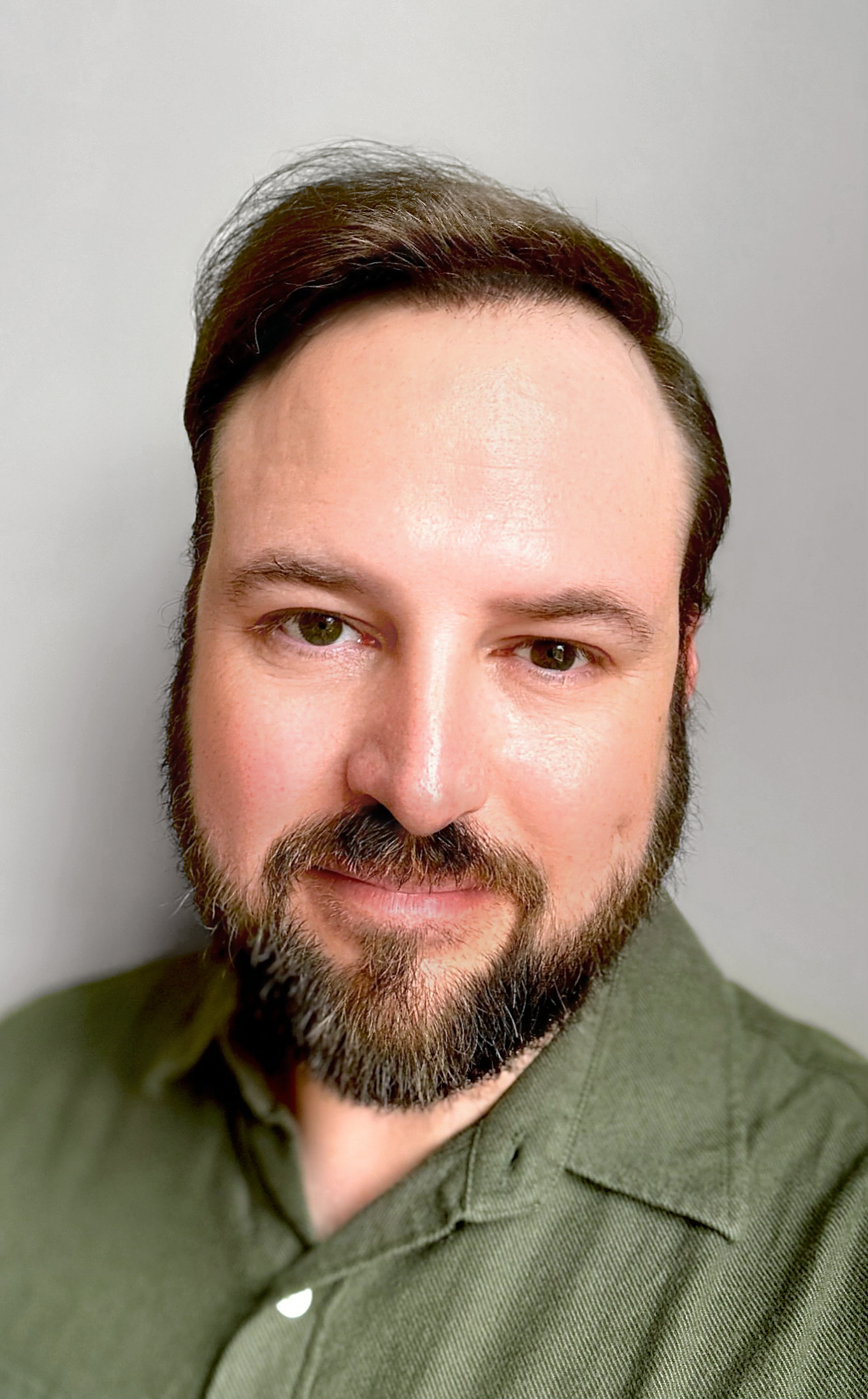
Starting therapy can feel like a big step, and I want you to know that you don’t have to do it alone. I aim to create a warm, collaborative space where you can show up just as you are, without any pressure…
Frequently Asked Questions About Couples Therapy in Toronto
Where can couples get help rebuilding trust after infidelity in Toronto
Ellis Nicolson + Associates offers couples therapy in Toronto for trust concerns and affair recovery. You can meet in person at our Carlton Street office or ask about virtual sessions. A consultation helps establish whether the therapist’s experience and approach fit your situation, including whether both partners want to work towards repair.
What should we expect in our first couples therapy session
Expect a conversation about your concerns, relationship history, and goals. Your therapist will explain the process and confidentiality policies and begin assessing the patterns that keep you stuck. You can ask about individual assessment meetings and what ongoing sessions would involve before deciding how to proceed.
How much does couples counselling cost in Toronto and how can we find an affordable option
Costs vary between providers. Our practice publishes fees of $100 to $180 per session; confirm the current couples fee for your chosen clinician. To assess affordability, discuss your budget, check insurance coverage for the provider’s designation, and ask which clinician and scheduling options may be suitable.
How do we choose the best couples therapist or a licensed marriage counsellor in Toronto
Look for relevant couples training, experience with your concerns, and a clear explanation of treatment. Check professional registration with the relevant regulator rather than relying on “licensed” in a listing. Ask about EFT or Gottman training and whether both partners feel able to participate openly. The best fit also depends on availability, approach, and your preferences.
Is couples therapy effective for infidelity recovery
Couples therapy can help some partners address betrayal, clarify boundaries, and work towards trust repair. Progress depends on factors including honesty, accountability, safety, and sustained changes outside sessions. It cannot guarantee reconciliation. Therapy may also help partners decide whether to continue the relationship or separate.
Which couples therapy approaches suit Toronto professionals and anxious or avoidant partners
EFT may suit couples caught in cycles of reassurance-seeking and withdrawal, while Gottman-informed work offers tools for conflict and repair. A demanding career does not determine which method is best. Your therapist should consider your difficulties, goals, and capacity to attend and practise changes between sessions.
How soon can couples therapy improve communication and constant arguing
There is no reliable deadline for a particular couple. Early sessions can help you name your conflict pattern and begin responding differently, while established difficulties may need longer work. Agree on observable goals with your therapist and review progress regularly rather than measuring success only by the number of appointments.
Are online couples therapy sessions as effective as in person sessions in Toronto
Online therapy may be a suitable option when both partners can participate privately and comfortably. It is not automatically equivalent for every situation; safety, privacy, technology, and the nature of your concerns affect suitability. Ask your therapist how they assess fit and how you can review whether the format is helping.
Can we book intensive couples therapy or a weekend retreat for affairs and broken trust
Longer appointments may be available where appropriate, but that does not confirm a dedicated intensive programme or weekend retreat. Contact the practice to discuss your needs, appointment formats, and current availability. More concentrated treatment is not necessarily better; the format should follow an assessment of your circumstances.
Can we find culturally sensitive or Christian couples counselling in Toronto
Ask prospective therapists about their experience with multicultural relationships and how they incorporate clients’ values. If Christian counselling is important, clarify whether you want a specific faith-based approach and ask whether the clinician offers it. Discussing these preferences during a consultation helps assess fit without assuming every therapist provides every service.
Our Toronto Location

Don’t wait any longer
Book your free consultation today!