






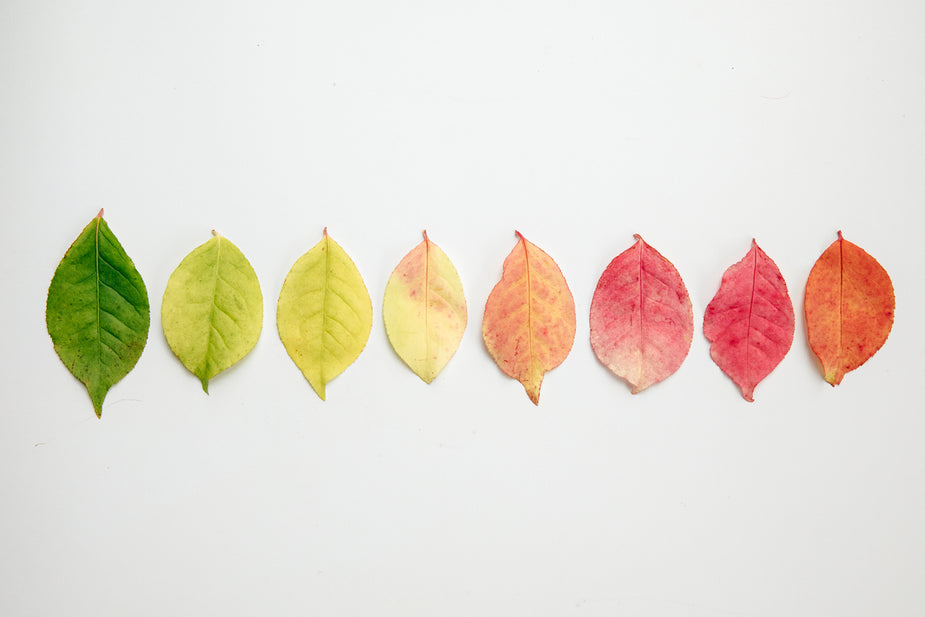
Change is an inevitable part of being human. We graduate, move cities, start or end relationships, change jobs, or watch our children grow. Some of these transitions are chosen and celebrated; others are unexpected and painful. Yet, even when a change is positive, it often carries an undercurrent of grief – a quiet ache for what we’ve left behind.
Grief isn’t only reserved for death or loss in the traditional sense. It’s a natural emotional response to any ending or transformation. In therapy, we often see clients surprised by the heaviness they feel when life moves in a new direction. They might say, “I thought I should be happy,” when starting a new job or getting married, or “I didn’t expect to miss my old life this much,” after moving into a new home or becoming a parent. These emotions aren’t contradictions – they’re reminders that growth and loss often coexist.
Why Transitions Stir Up Grief
When we experience a life transition, we’re not only stepping into something new, we’re also saying goodbye to what was familiar. This could mean letting go of routines, identities, roles, or versions of ourselves that once felt grounding. Even when we outgrow them, they provide comfort and structure.
For example:
- A promotion might bring pride but also grief for the simpler pace and close connections of your previous role.
- Ending a relationship can mean mourning not just the person, but the dreams and routines built around them.
- Becoming a parent can evoke deep love and joy, while also stirring a quiet sadness for the freedom and spontaneity that came before.
Each of these changes challenges our sense of stability and identity. The mind and body need time to recalibrate; and that period of adjustment often feels like loss.
The Emotional Landscape of Change
Grief in transitions doesn’t always look like crying or sadness. It can appear as irritability, fatigue, anxiety, or a sense of disconnection. You may find yourself nostalgic for the past, questioning your decisions, or feeling emotionally numb. These reactions are normal and human.
Culturally, we tend to rush through transitions, focusing on the “next step” or “fresh start.” But when we don’t give space to acknowledge what’s ending, those feelings of grief can linger beneath the surface. Recognizing that grief is part of the process helps us move forward with more compassion and authenticity.
Making Space for Grief
If you’re in the midst of a major life change, try allowing yourself to grieve intentionally. This doesn’t mean dwelling in sadness – it means creating room to honour what’s ending, just as you welcome what’s beginning. Here are a few ways to do that:
- Name the loss. Ask yourself, “What am I saying goodbye to right now?” Identifying the specific parts of your old life or self that you’re missing can bring clarity and validation.
- Allow mixed emotions. You can be both excited and sad. Joy and grief often coexist — one doesn’t cancel out the other.
- Mark the transition. Rituals help us metabolize change. This might mean journaling, taking a symbolic walk, or sharing memories with a loved one who understands.
- Be patient with yourself. Adjustment takes time. Feeling unsteady doesn’t mean you’ve made a mistake; it means you’re human and in transition.
Moving Forward
Every life transition asks us to release something in order to make space for what’s next. It’s a kind of shedding – not a failure to “move on,” but an act of emotional honesty. When we allow grief to be part of the journey, we integrate our experiences instead of bypassing them.
In therapy, we often encourage clients to view transitions not as abrupt breaks, but as seasons. Each carries its own rhythm and lessons. With gentleness and curiosity, we can learn to hold the tension between what was and what’s emerging — and in doing so, we open ourselves to deeper resilience, gratitude, and growth.