


Anxiety Therapy in Toronto
Although being human means feeling anxious from time to time, anxiety can also become crippling; it can interrupt our daily activities and desires and can limit our lives in many ways. Over the past 20 years we have been helping clients extinguish the impact of anxiety and learn to manage its message rather than be controlled by it. We help our clients break the patterns of anxiety. Anxiety is now the number one mental health struggle, so know you are not alone, and know that anxiety is very treatable through psychotherapy.
We Can Help With
- Generalized anxiety and chronic worry
- Panic attacks and fear of bodily sensations
- Social anxiety and self-consciousness
- Phobias and avoidance
- OCD-related intrusive thoughts and compulsions (if within scope)
- Sleep anxiety and nighttime rumination
Get Support for Anxiety
- In-person in Toronto + virtual therapy across Ontario
- 50-minute sessions
- Evidence-informed therapy: CBT, ACT, exposure, somatic, attachment-informed
- Book a free consultation to get started
What is Anxiety Therapy and Counselling?
We know one of the most important factors for success in therapy is your relationship with your psychotherapist. We provide free consultations to ensure you feel comfortable right away, and if for some reason you don’t feel connected, we have another member of the team waiting to have a consultation with you.
Our approach:
- CBT (cognitive behavioral therapy)
- ACT (acceptance & commitment therapy)
- Exposure-based work
- Somatic / nervous-system regulation
- Attachment-informed therapy
Anxiety therapy is designed to help you understand that anxiety presents itself as a pattern in your life, and it serves a role in your life-which is to protect you from harm-but anxiety can become overactive which can make you feel stuck or even crippled. Through psychotherapy you will learn how to dismantle the power of anxiety, differentiate between the “noise” and “signals” of anxiety; you will learn how to use your body cues as an ally, and you will ultimately develop a new relationship with anxiety. Imagine a world where you no longer become anxious about feeling anxious!
In therapy, you’ll learn to:
- identify triggers and worry/avoidance cycles
- tell the difference between helpful signals vs. anxious “noise”
- work with body cues (breath, tension, heart rate) without spiraling
- reduce reassurance seeking, rumination, and compulsions (as relevant)
- build coping skills that hold up in real-world situations
When and Why to Seek Treatment?
If anxiety interrupts your daily functioning or gets in the way of you doing things you want to do, then seeking treatment is important. Anxiety can take many forms, but the most common are: constant worry; panic attacks, phobias, OCD (Obsessive Compulsive Behaviours), trouble sleeping, constantly seeking reassurance from your partner, etc. When possible, it is important to seek treatment as early as possible to prevent anxiety from becoming entrenched in your life. But, if it has, it is not too late, treatment can make a big difference in your life.
You might benefit from anxiety therapy if you:
- feel constant worry or “what-if” thinking that’s hard to switch off
- overthink conversations, decisions, or worst-case outcomes
- experience panic attacks or sudden waves of fear (racing heart, tight chest, dizziness, nausea)
- avoid places or situations because you’re afraid of how you’ll feel
- feel on edge, restless, irritable, or keyed up most days
- have trouble sleeping, or wake up with anxious thoughts
- notice anxiety showing up as physical symptoms (muscle tension, headaches, GI upset, fatigue)
- struggle with intrusive thoughts or repetitive mental loops
- rely on reassurance seeking, checking, or other habits to feel “safe” (as relevant)
- find that anxiety is affecting your confidence, relationships, parenting, or performance
- feel anxious about feeling anxious and worry you’ll “spiral” again
Types of Anxiety Disorders Treated at Ellis Nicolson+associates
- Generalized Anxiety Disorder
- Social Anxiety
- Panic Disorder
- Phobias
- OCD
Our treatment will help you experience emotional regulation, reduce distress, and obtain skills and strategies to keep anxiety in check.
Not sure what type of anxiety it is? We can help you clarify what you’re experiencing and match you with the right therapist.
Session Structure: How to get started?
You can choose the convenience of in-person in our Toronto office or can enjoy the convenience of virtual sessions. Sessions are 50 minutes in length. You can expect to feel heard, valued, and that your concerns matter. We will help you identify the patterns that are keeping you stuck and implement strategies to break these unhelpful patterns permanently.
How to book your appointment/consultation?
Step 1
Book your first appointment or free virtual 15 minute consultation.
Step 2
Create a personal profile in our booking system to book your appointments.

Step 3
Prior to your first session, complete our emailed Consent/Intake Form.

Step 4
For virtual sessions, click the Zoom link; in-person, you’ll be greeted with a smile.
Our Location
We are located at 120 Carlton Street, Suite 315, Toronto, ON M5A 4K2. We are located at the corner of Jarvis and Carlton, across the street from Allan Gardens. We are in a lovely office building that is full accessible by elevator.
Serving Toronto and nearby areas: Downtown Toronto, Midtown, North York, Etobicoke, York, East York, Scarborough, and the Greater Toronto Area — with virtual therapy available across Ontario.
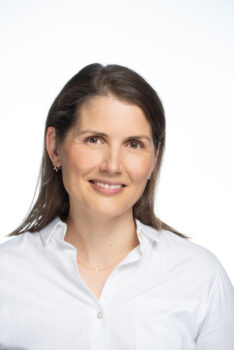
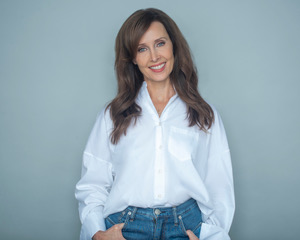
Meet our Anxiety Therapists in Toronto

What should I look for when choosing a therapist in Toronto?
Choosing a therapist in Toronto comes down to a few key factors: make sure they’re properly credentialed and registered in Ontario, have experience with the specific concerns you’re bringing (for example, panic attacks, chronic worry, social anxiety, intrusive thoughts, or relationship anxiety), and can clearly explain how they work and what you can expect from sessions. Just as important is fit—you should feel heard, respected, and comfortable enough to be honest, and a good therapist will welcome questions and feedback. Finally, consider practical details like location, availability, and whether you prefer in-person sessions in Toronto or virtual therapy across Ontario, so getting support feels sustainable over time.
Frequently Asked Questions: Toronto Anxiety Therapy and Counseling
Is therapy confidential?
Absolutely. Psychotherapy is built on the foundation of confidentiality. As professionals, it is our responsibility to ensure that we do everything we can reasonably do to ensure your anonymity. If you choose virtual sessions, be assured that we only use the professional version of Zoom which has professional level security.
How long does therapy take?
In the same way that it has taken time to develop patterns that don’t work, it takes time to break these patterns and create new ones. But many clients start to feel better after the first session. Clients can expect to can new insights, identify their patterns and interrupt them after 4-6 sessions. We do not believe in quick fixes since quick fixes never last, in the same way a crash diet is only temporary. We believe that changing one’s patterns has the potential for creating generational change, so doing the hard emotional and behavioural work pays off over time.
Do you offer virtual sessions?
Yes. Every member of our team offers virtual sessions, so no matter which day of the week works for you, one of our team members will be available for you.
What approaches do you use for anxiety therapy in Toronto?
Anxiety therapy is most effective when it’s tailored to your symptoms and goals. Depending on what you’re dealing with, your therapist may draw from evidence-informed approaches such as CBT (practical tools for thoughts and behaviours), ACT (building psychological flexibility and values-based action), exposure-based strategies (reducing avoidance), and nervous-system regulation (body-based tools for calming anxiety). We’ll explain what we recommend, why it fits, and what you can expect from the process.
What’s the difference between anxiety and panic?
Anxiety is often a steady build-up of worry, tension, and “what-if” thinking that can linger in the background. Panic is a sudden surge of intense fear that peaks quickly and can feel very physical—like a racing heart, shortness of breath, dizziness, or feeling out of control. Put simply: anxiety is a build-up; panic is a surge.
Can therapy help with physical symptoms (tight chest, nausea, racing heart)?
Yes. Anxiety commonly shows up in the body through the fight-or-flight response. Therapy can help you understand what’s happening, reduce fear around sensations, and learn practical tools to settle your nervous system (for example, breathing, grounding, and coping strategies you can use in real time). If symptoms are new, severe, or medically concerning, it’s also wise to speak with a medical professional.
Do you help with intrusive thoughts and OCD-related anxiety?
Yes. Intrusive thoughts are more common than many people realize—and they don’t reflect your character or intentions. When OCD-related patterns are present, therapy often focuses on breaking the loop of obsessions and compulsions and reducing reassurance-seeking, using evidence-informed methods such as CBT/ACT strategies and, when appropriate, ERP (Exposure and Response Prevention). We’ll help you build tolerance for uncertainty and respond differently to the thoughts, so they lose their power over time.
How do virtual sessions work, and are they effective?
Virtual sessions take place over a secure video platform. You’ll receive a link, join from a private space, and meet with your therapist much like you would in person. Online therapy can be highly effective and is a convenient option if you want flexibility, less travel time, or support from home—especially for anxiety.
What if I’m not sure what type of anxiety I have?
That’s very common—and you don’t need to figure it out alone. We’ll explore your symptoms, triggers, and patterns to understand what’s going on and create a plan that fits you. The focus is on what helps you feel better and function more freely, not on finding the “perfect” label.
Related Anxiety Resources
If you’d like to learn more about how anxiety works (and what helps), these resources may be useful.